


What Are the First Signs Your Child Might Need Braces?
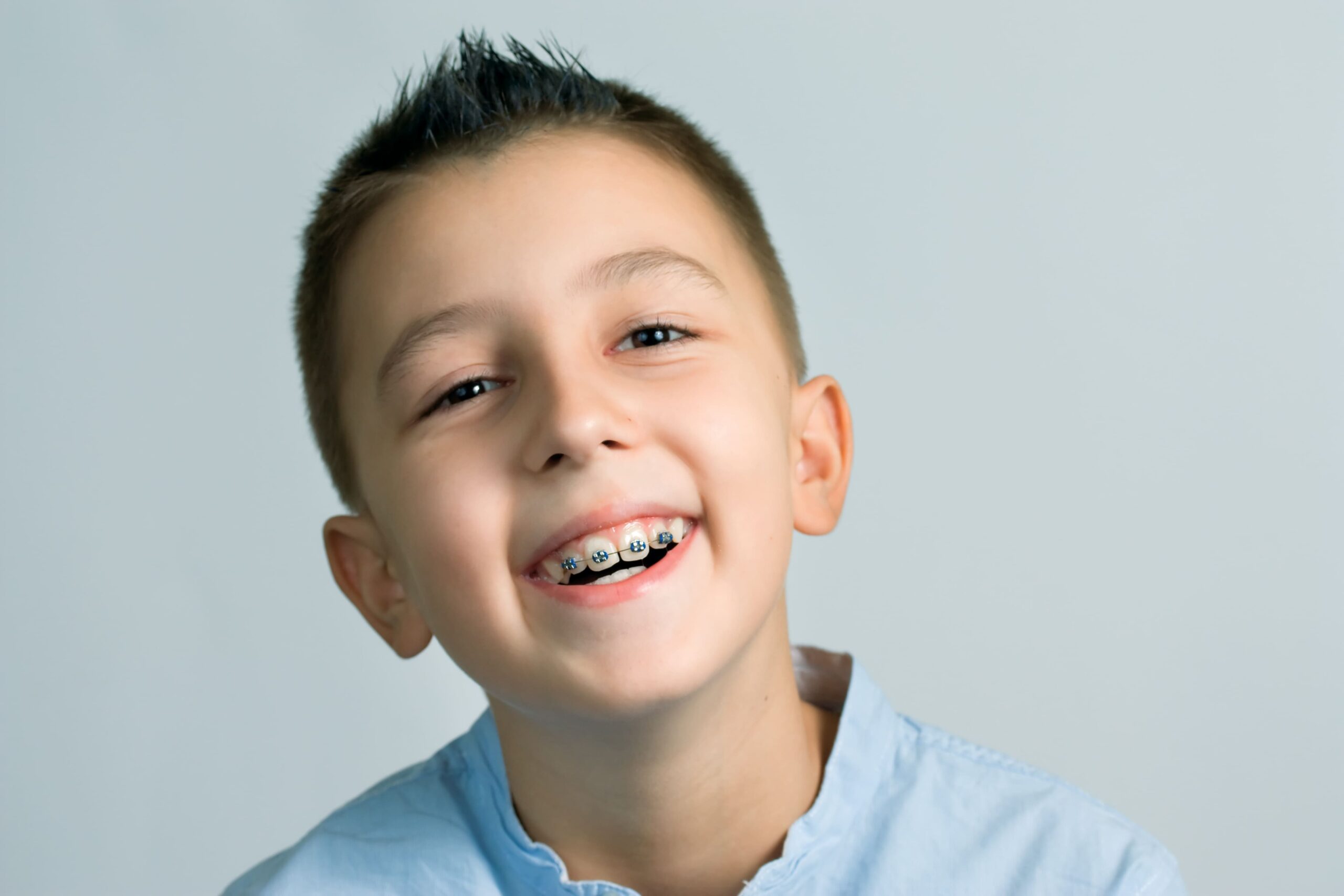
If you’re a parent, noticing changes in your child’s smile can be both exciting and a little nerve-wracking. After all, a straight, healthy smile isn’t just about looks—it can impact your child’s oral health, speech, and even confidence. But how do you know when it’s time to think about braces? Not every crooked tooth or small gap is a reason to panic, but there are some clear signs that your child might benefit from orthodontic care. Understanding these early indicators can help you catch potential problems before they grow into bigger, more complicated issues.
Early Tooth Alignment Concerns
One of the first things parents usually notice is crooked, crowded, or overlapping teeth. While some irregularities are normal as children lose baby teeth and grow in their permanent ones, extreme crowding or teeth that stick out noticeably could indicate that there isn’t enough space\ in the mouth for proper alignment.
Similarly, teeth that don’t line up properly when your child bites down—known as malocclusion—can be a red flag. This includes overbites, underbites, and crossbites. Malocclusions can affect chewing efficiency and, over time, contribute to jaw pain, wear on the teeth, and even speech difficulties. Early detection allows orthodontists to plan treatments that guide the growth of the jaw and teeth in a way that prevents more invasive procedures later.
Early Loss of Baby Teeth or Delayed Eruption of Permanent Teeth
The timing of tooth loss and eruption can also offer clues. If your child loses baby teeth unusually early or late, it could affect how their permanent teeth come in. Early loss might cause neighboring teeth to shift into the empty space, while delayed eruption can lead to overcrowding. Both situations are worth a consultation with an orthodontist to determine if intervention is necessary.
Sometimes, a tooth may not erupt at all due to impaction, where the permanent tooth is blocked by bone or other teeth. These cases are often easy to identify during a routine dental checkup, which is why regular dental visits are so important.
Speech Difficulties
Believe it or not, speech can provide valuable insight into your child’s oral development. Children with misaligned teeth or jaw issues may have trouble pronouncing certain sounds, particularly s, z, t, d, and th. While occasional mispronunciations are normal, consistent difficulties can be linked to dental or jaw alignment problems. Early orthodontic evaluation can help address these issues, sometimes even before braces are needed, with treatments that encourage proper jaw and teeth positioning.
Mouth Breathing or Jaw Pain
Persistent mouth breathing in children can sometimes be a subtle sign of orthodontic concerns. While there are many causes of mouth breathing, including allergies, a misaligned jaw or overcrowded teeth can contribute. Similarly, children who complain of jaw pain, headaches, or difficulty chewing may be experiencing the effects of a bite that isn’t quite right. Identifying these problems early gives orthodontists the chance to intervene before habits become harder to correct.
Thumb Sucking or Other Oral Habits
Certain oral habits can have a long-term impact on teeth alignment. Prolonged thumb sucking, pacifier use beyond age three, or tongue thrusting can push teeth out of alignment and affect bite development. While most children naturally grow out of these habits, if they persist, orthodontic guidance can prevent permanent damage. In some cases, early appliances or treatments are used to help guide the teeth and jaw into proper alignment as the child grows.
Family History of Orthodontic Issues
Genetics plays a significant role in dental development. If you or your spouse had braces, or if there’s a family history of crowding, overbites, or underbites, your child may be more likely to experience similar issues. Awareness of family trends can help parents and orthodontists monitor growth and intervene at the optimal time.
Behavioral or Self-Esteem Concerns
While aesthetics aren’t the only reason for orthodontic care, they certainly matter. Children with noticeable misalignment may feel self-conscious about their smile, which can impact social interactions and confidence. If your child is covering their mouth when they smile, avoiding photos, or expressing embarrassment about their teeth, it’s worth discussing with an orthodontist. Early treatment can not only improve oral health but also boost your child’s confidence.
Why Early Evaluation Matters
The American Association of Orthodontists recommends that children have their first orthodontic evaluation by age seven. By this age, an orthodontist can assess jaw growth, tooth eruption, and bite development, and recommend early treatment if necessary. Early intervention, sometimes referred to as Phase I treatment, can prevent more extensive procedures later on, reduce treatment time, and often achieve better long-term results.
During an initial evaluation, an orthodontist may use X-rays, photographs, and models of your child’s teeth to understand their growth patterns and identify potential concerns. Even if braces aren’t immediately required, regular monitoring ensures that treatment begins at the ideal time for maximum effectiveness.
When Braces or Other Treatments Might Be Recommended
If your child is showing one or more of the signs mentioned above, braces or other orthodontic appliances may be recommended. Treatment can vary depending on the severity and type of misalignment:
-
Traditional braces are effective for most alignment issues and work for both children and teens.
-
Clear aligners, like Invisalign, may be suitable for teens who want a less noticeable treatment option.
-
Palatal expanders or other appliances may be used in younger children to guide jaw growth and create space for permanent teeth.
Every child is unique, so an individualized treatment plan is always created to meet their specific needs.
Regular Dental Visits Are Key
Even if your child isn’t showing obvious signs of needing braces, regular dental checkups are essential. Your general dentist can spot subtle issues early and refer your child to an orthodontist for a consultation. Staying proactive helps prevent small problems from turning into major orthodontic concerns later.
Take Action Today
If you’re noticing crooked teeth, bite issues, speech difficulties, or other early warning signs in your child, scheduling an evaluation with an orthodontist is the best next step. Early detection and treatment can make a big difference in your child’s dental health and confidence.
Trust Pagan Orthodontics to Guide Your Child’s Smile
At Pagan Orthodontics in Edmonds, WA, our team specializes in creating healthy, beautiful smiles for kids and teens. From the first consultation to the final adjustment, we ensure that each child receives personalized care tailored to their growth and needs. Whether your child may need braces, clear aligners, or other orthodontic appliances, we’re here to guide every step of the way.
Contact us today to schedule an appointment and start your child on the path to a confident, straight smile. Your local Edmonds orthodontist is ready to help make the journey smooth and effective for your family.
